South America · Argentina
Fire, Smoke, and Memory in Argentine Asado
On a Patagonian estancia, the fire is built before the conversation. Notes on flame, lineage, and a four-hour cut of meat that refuses to be hurried.
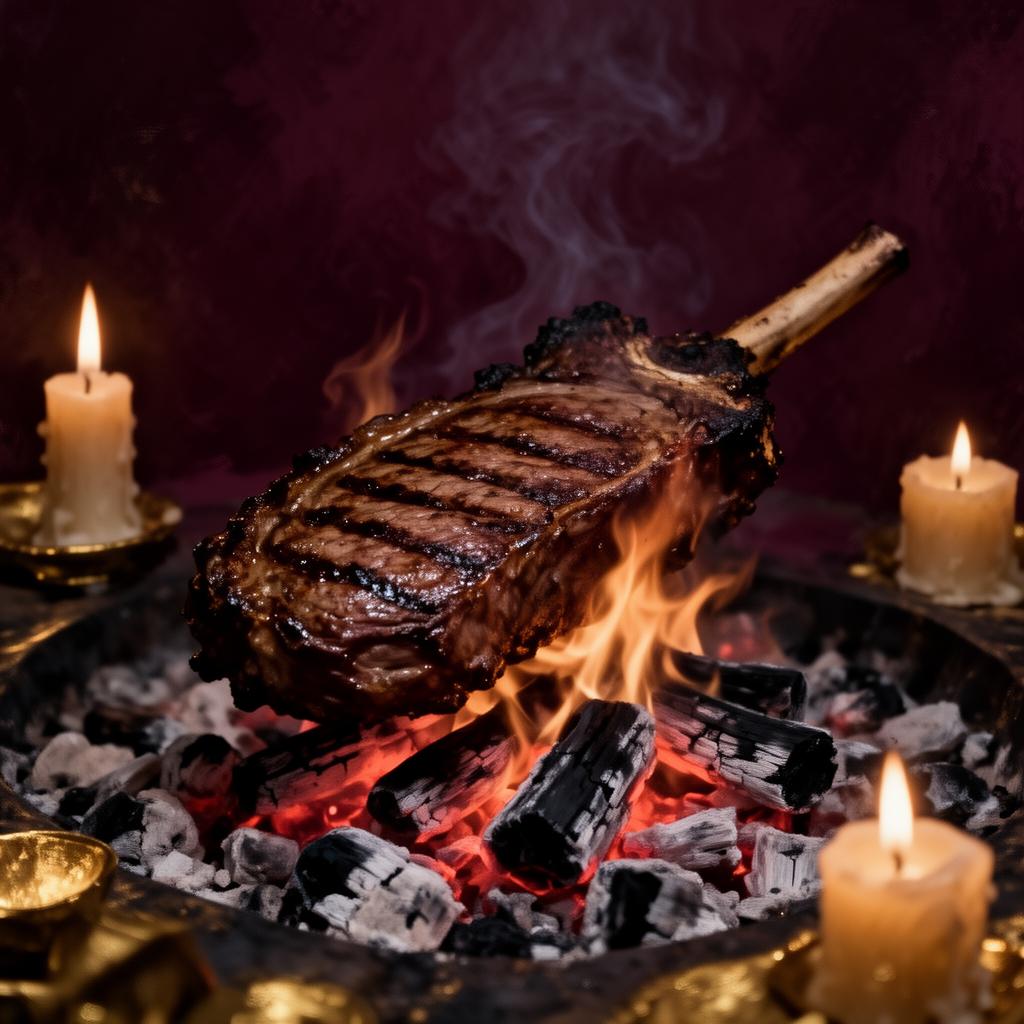
Bariloche · A four-hour fire at the foot of the Andes
An asado is not a meal. An asado is the custodianship of a fire by people who have agreed to spend an afternoon together, and the meat is the byproduct of the custodianship. I want to argue, against the grain of the Argentine tourist board, that the Argentines do not cook meat. They keep a fire, and the meat passes through it.
I learned this on an estancia outside Bariloche, in late March, from a man named Hernán whose grandfather had built the parrilla we were standing in front of. Hernán did not speak much English. I did not speak much Spanish. We had a fire, and the fire did most of the translating.
The first thing Hernán did, at noon, was build the fire. Not the cooking fire. A separate fire, to the side, made of dry quebracho. This fire produced no flame after the first ten minutes. It produced embers. The embers were the actual fuel. The flame was just the work of making the embers.
This is the structural insight of asado. The flame is not for cooking. The flame is for making the cooking fuel, which is the embers. A cook who tries to grill on flame is a cook who has not waited long enough. Almost all American backyard grilling makes this mistake.
The fire built two hours before the meat. Bariloche, March.
Hernán waited two hours. The embers accumulated. He shoveled them, one shovel at a time, under the parrilla. He arranged them not in an even bed but in zones — hotter at one end, cooler at the other. The parrilla itself was set high. The meat would cook at a distance from the heat that would seem absurd to a North American griller. Sixty centimeters. Sometimes more.
Then the meat. Not the cuts you have heard of. The first cut on the parrilla was chinchulines, the small intestines, cleaned and braided. Then mollejas, the sweetbreads. Then the morcilla, the blood sausage. Then, only then, the better cuts. The vacío. The asado de tira. The bife de chorizo.
The order is liturgical. The offal goes first not because it is less valuable — it is in fact the most prized — but because it teaches the fire to behave. The fat from the chinchulines and the mollejas seasons the parrilla. By the time the bife de chorizo arrives, the metal has been instructed.
Hernán did not use a thermometer. He did not poke the meat. He looked at it. Occasionally he put his hand above the embers — not to test the temperature, exactly, but to confirm that nothing had changed. The fire was a person whose mood he was reading.
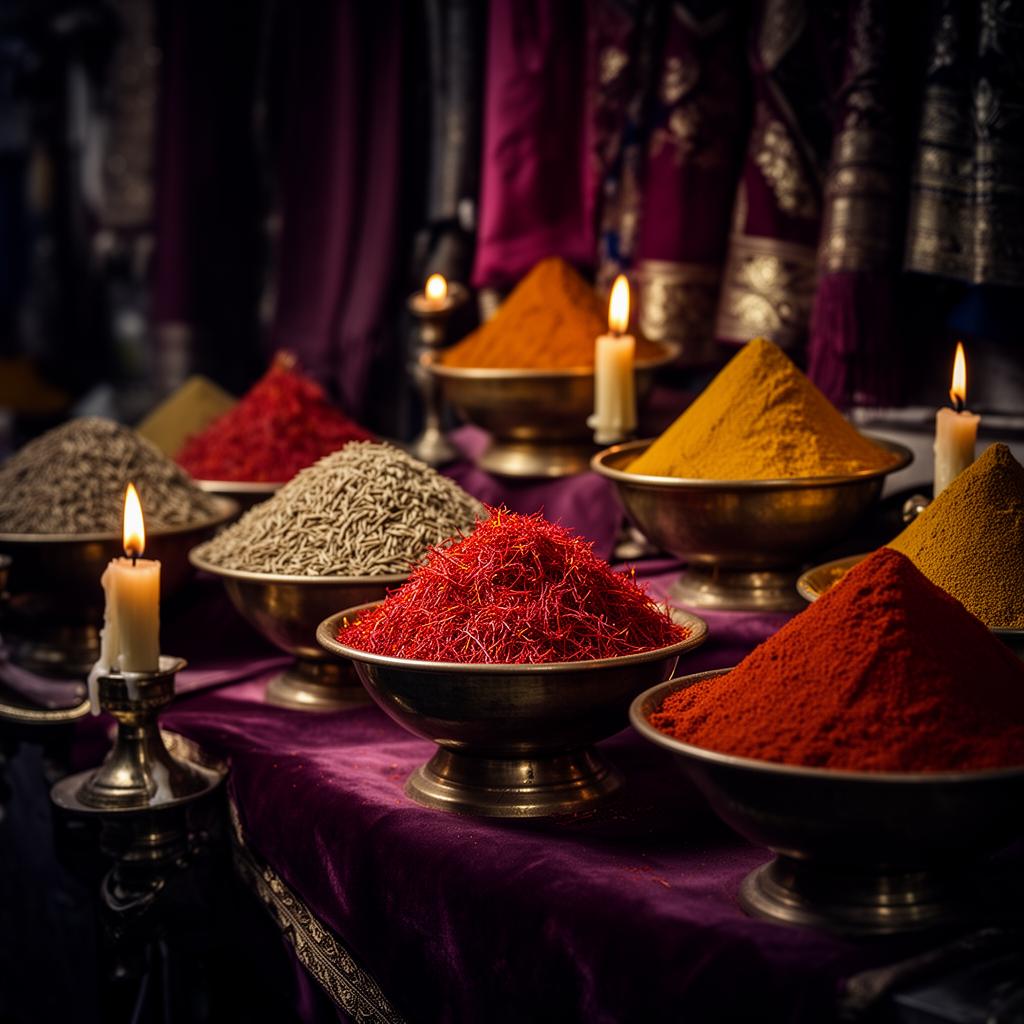
Salt and cross-grain. Nothing else on the table for the first course.
There is a concept in Argentina called el punto. It is the point at which a cut is done. There is no English equivalent. It is not medium-rare. It is the specific moment when a specific cut, on a specific fire, in a specific weather, has become what it should be. El punto is different every time. The grill master is the person who recognizes it.
Hernán recognized it without ceremony. He picked up the cut, set it on a wooden board, sliced it across the grain, and dressed it only with coarse salt. No sauce. No marinade. No seasoning beyond salt. The salt was the only seasoning the fire required. Every other seasoning would have been an insult to the four hours of work the fire had done.
I have eaten a great deal of beef in my life. I have eaten wagyu in Kobe, dry-aged porterhouse in Brooklyn, côte de boeuf in Lyon, and bistecca alla fiorentina in the original Florentine room that perfected it. The vacío on Hernán's estancia was different not because the meat was better — the cut would have been competitive, not extraordinary, in another setting — but because the fire was a conversation, and the meat was the conclusion the fire had drawn.

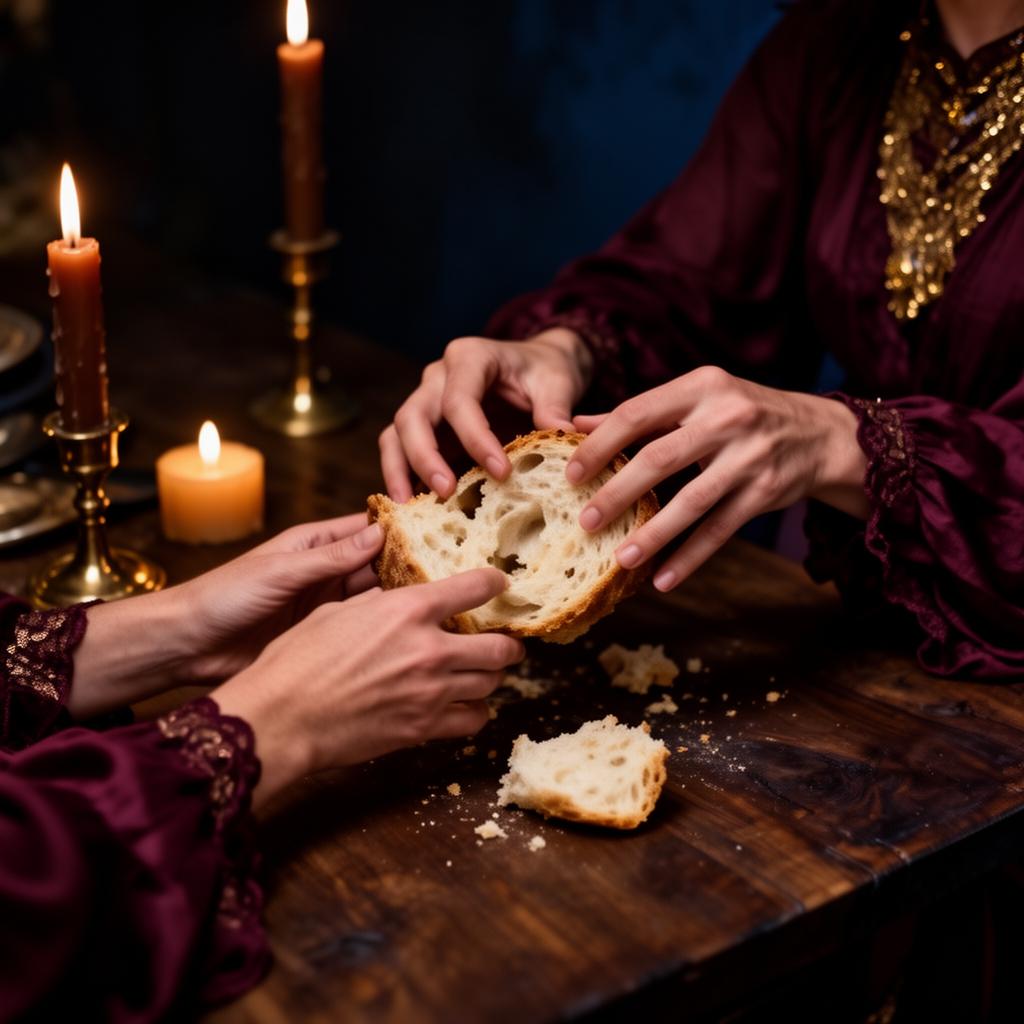
The grill master's hands. He has not used a thermometer in forty years.
This is what I mean when I say the Argentines do not cook meat. They keep a fire, and the meat is the fire's answer. The cook is not the chef. The cook is the custodian. The chef is the fire itself.
The remaining 12 paragraphs are reserved for The Hierophant readers.
BINA 369 is a serious editorial archive. The first 12 paragraphs are offered freely. The full essay — including the symbolic margins, source notes, and closing argument — is held inside the membership ring.
The full archive of 365+ essays unsealed.
Unlocks every essay, including this one.
Counsel, correspondence, and access to the critic.
Required tier for this essay.
Free 12 of 24 paragraphs · No advertising, ever · Cancel inside the ring